
Signs You Need a New Roof NYC
Published on | 7 min read
Your roof is the first line of defense against the elements, but even the most durable materials have a lifespan. Recognizing the early signs you need a new roof NYC residents face can save you from costly interior damage, structural issues, and emergency repairs down the line. This guide will walk you through the key indicators that your roof is nearing the end of its service life, with special considerations for New York City’s unique architectural and climate challenges.
Ignoring subtle warning signs can lead to catastrophic failures, especially during a Nor’easter or a heavy summer thunderstorm. A proactive approach to roof maintenance and replacement not only protects your investment but also ensures the safety and comfort of everyone inside. Let’s explore the common signals that it’s time to call a professional roofing contractor.
1. The Age of Your Roof – signs you need a new roof nyc
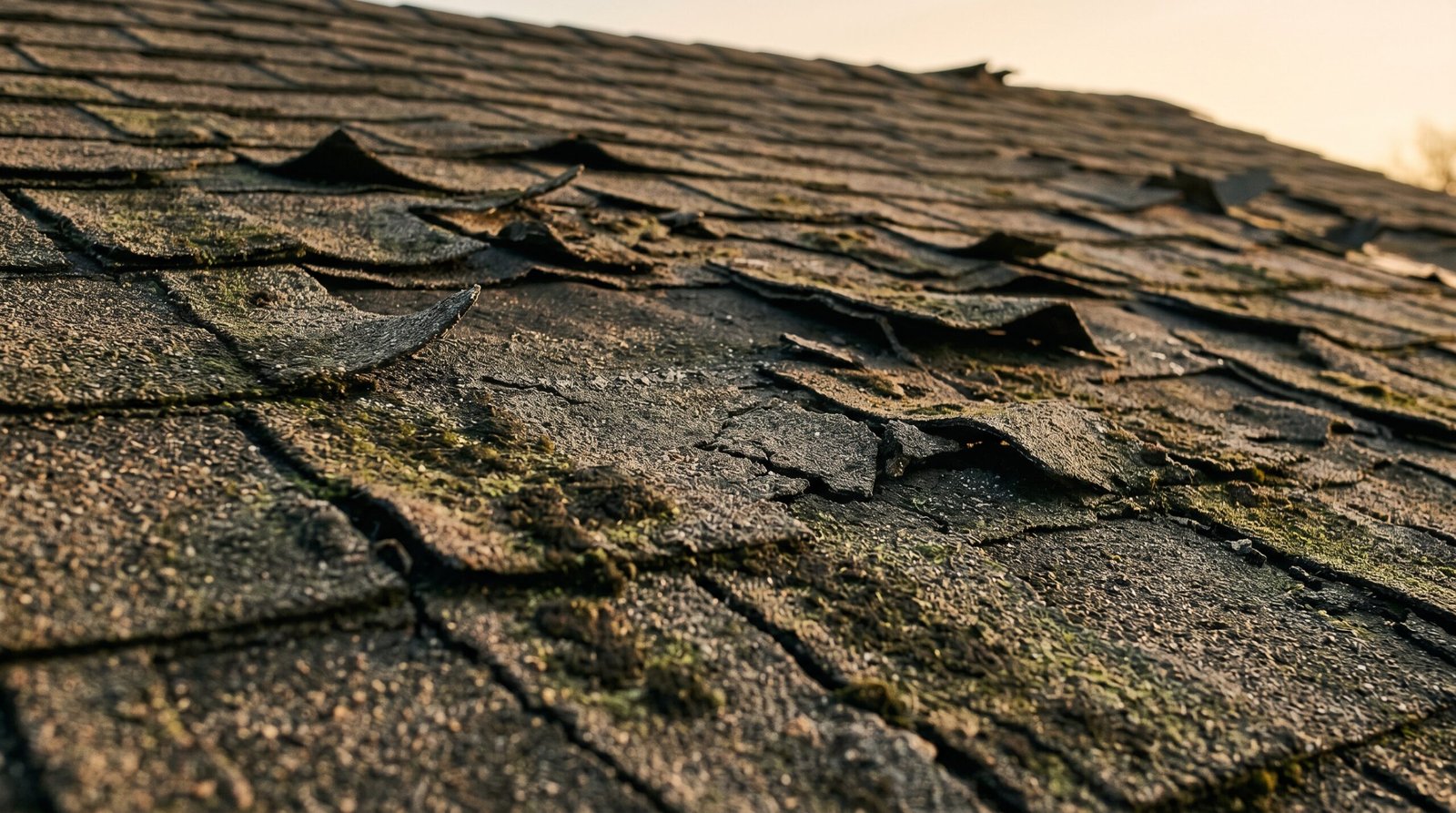
The most straightforward factor in determining your need for a new roof is its age. Most standard asphalt shingle roofs have a lifespan of 20-25 years. If your roof is approaching or has surpassed this milestone, it’s wise to schedule a professional inspection, even if there are no obvious signs of failure. Architectural shingles may last longer, up to 30 years, while materials like metal or slate can last 50 years or more. However, factors like installation quality and extreme weather can shorten these lifespans. If you don’t know the roof’s age, look for property records or ask the previous owner.
2. Curling, Cracking, or Buckling Shingles
Take a close look at your shingles, as they provide clear visual cues about the roof’s health. Shingles that are curling at the edges (cupping) or buckling in the middle are classic signs of aging and weather damage. This often indicates that the granules protecting the shingle have worn away, and the asphalt underneath is shrinking. Cracks can be caused by wind damage or thermal shock. Any of these conditions make your roof vulnerable to leaks, as water can easily get underneath the compromised shingles.
“In NYC, the freeze-thaw cycle during winter is particularly brutal on shingles. Water seeps into small cracks, freezes, expands, and widens the cracks, accelerating deterioration significantly.”
3. Damaged or Worn Roof Valleys
Roof valleys are one of the most critical areas of your roof. These channels are designed to direct rainwater and snowmelt into your gutters. If the shingles in the valleys are missing, cracked, or deteriorating, your home is at high risk for leaks. Because a large volume of water flows through these areas, any breach can lead to significant water damage quickly. Check these areas for any signs of wear or improper flashing.
4. Large Patches of Missing Shingles
This is one of the more obvious signs of roof trouble. High winds, common in coastal areas like NYC, can easily tear shingles off, especially if they are old and the adhesive sealant has failed. A few missing shingles might be a simple repair, but if you’re seeing multiple bare patches across your roof, it often points to a systemic failure. The underlying roof structure is now exposed to the elements, making immediate action necessary.
5. Damaged Chimney Flashing
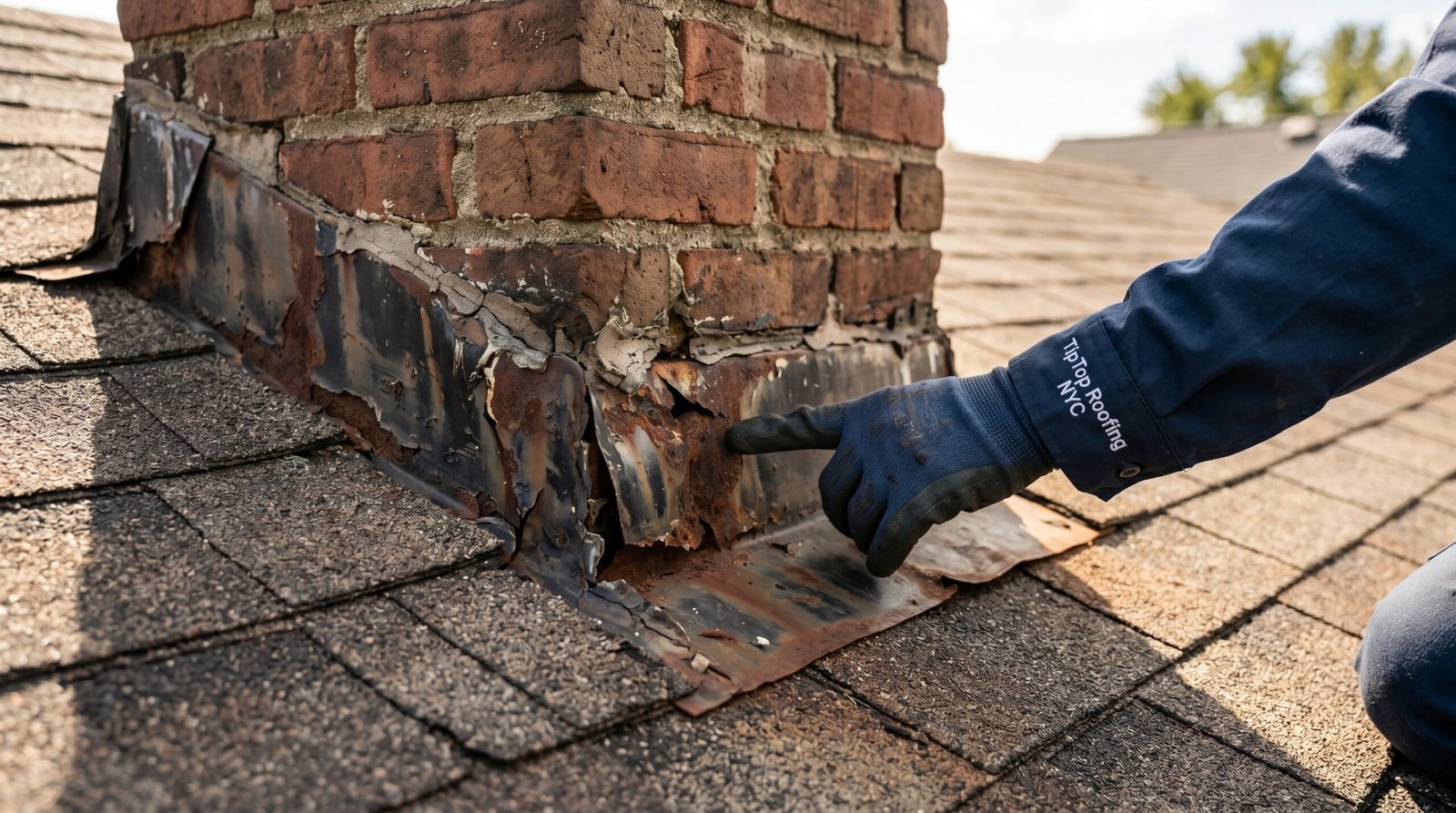
Flashing is the thin material, typically metal, used to direct water away from critical areas like vents, skylights, and chimneys. If the flashing around your chimney is made of roof cement or tar, it may crack and wear over time. Modern metal flashing systems are more durable, but even they can be damaged or improperly installed. Leaks around the chimney are a common problem and a clear sign that the flashing needs to be repaired or replaced, which is often done as part of a full roof replacement.
6. An Abundance of Granules in the Gutters
When you clean your gutters, look for an accumulation of shingle granules. These small, sand-like particles are embedded in the surface of asphalt shingles to protect them from UV rays and weathering. While it’s normal to lose some granules, especially on a new roof, a large amount in the gutters indicates your shingles are nearing the end of their life. Without this protective layer, they become brittle and will deteriorate rapidly.
Special Consideration for NYC: Flat Roofs
Many buildings in Queens, Brooklyn, and Manhattan feature flat or low-slope roofs. The signs of failure here are different. Look for pooling water (ponding) that doesn’t evaporate within 48 hours, as this indicates drainage problems and adds immense weight to the structure. Also, check for cracks, blisters, or tears in the roof membrane. These breaches are direct entry points for water and must be addressed immediately to prevent widespread damage to the roof deck and building interior.
Ultimately, a professional inspection is the best way to assess your roof’s condition. At TipTop Roofing NYC, we provide comprehensive evaluations to help you make an informed decision. Don’t wait for a small issue to become a major disaster. If you notice any of these signs, it’s time to plan for your roof’s future.
Think Your Roof Needs Attention?
Don’t wait for a leak. Get a professional, no-obligation assessment from NYC’s trusted roofing experts.
Frequently Asked Questions
Answers to common questions about roof replacement in NYC.
How long does a roof replacement take?
For an average-sized residential home, a full roof replacement by an experienced team like ours can often be completed in just 1 to 2 days. Larger or more complex projects, especially on commercial buildings in NYC, may take longer. We always aim to minimize disruption and will provide a clear timeline before work begins.
What is the best type of roof for NYC weather?
The best roof depends on your building’s structure. For sloped roofs, high-quality architectural asphalt shingles offer excellent durability against wind and rain. For the many flat roofs in the city, modern materials like TPO or EPDM membranes provide superior waterproofing and energy efficiency compared to older tar and gravel roofs.
Will a new roof increase my property value?
Absolutely. A new roof is a significant selling point. It improves curb appeal, enhances energy efficiency, and gives potential buyers peace of mind knowing they won’t face a major expense soon after purchasing. Remodeling Magazine’s Cost vs. Value report consistently shows a high return on investment for roof replacements.
Can I put a new roof over my old one?
While sometimes possible (a “roof-over”), it is rarely recommended. A complete tear-off allows us to inspect the underlying roof deck for rot or damage and repair it properly. A roof-over adds significant weight and can trap moisture, leading to problems. Most manufacturer warranties are also voided without a full tear-off.
How do I know if I need a repair or a full replacement?
This depends on the age of the roof and the extent of the damage. Localized damage on a relatively new roof (e.g., a few missing shingles from a storm) can often be repaired. However, if the roof is over 20 years old and showing widespread issues like curling shingles or granule loss, a replacement is the more cost-effective and safer long-term solution.
More From Our Blog
Stay informed with our expert roofing insights.
How to Prepare Your NYC Roof for Winter
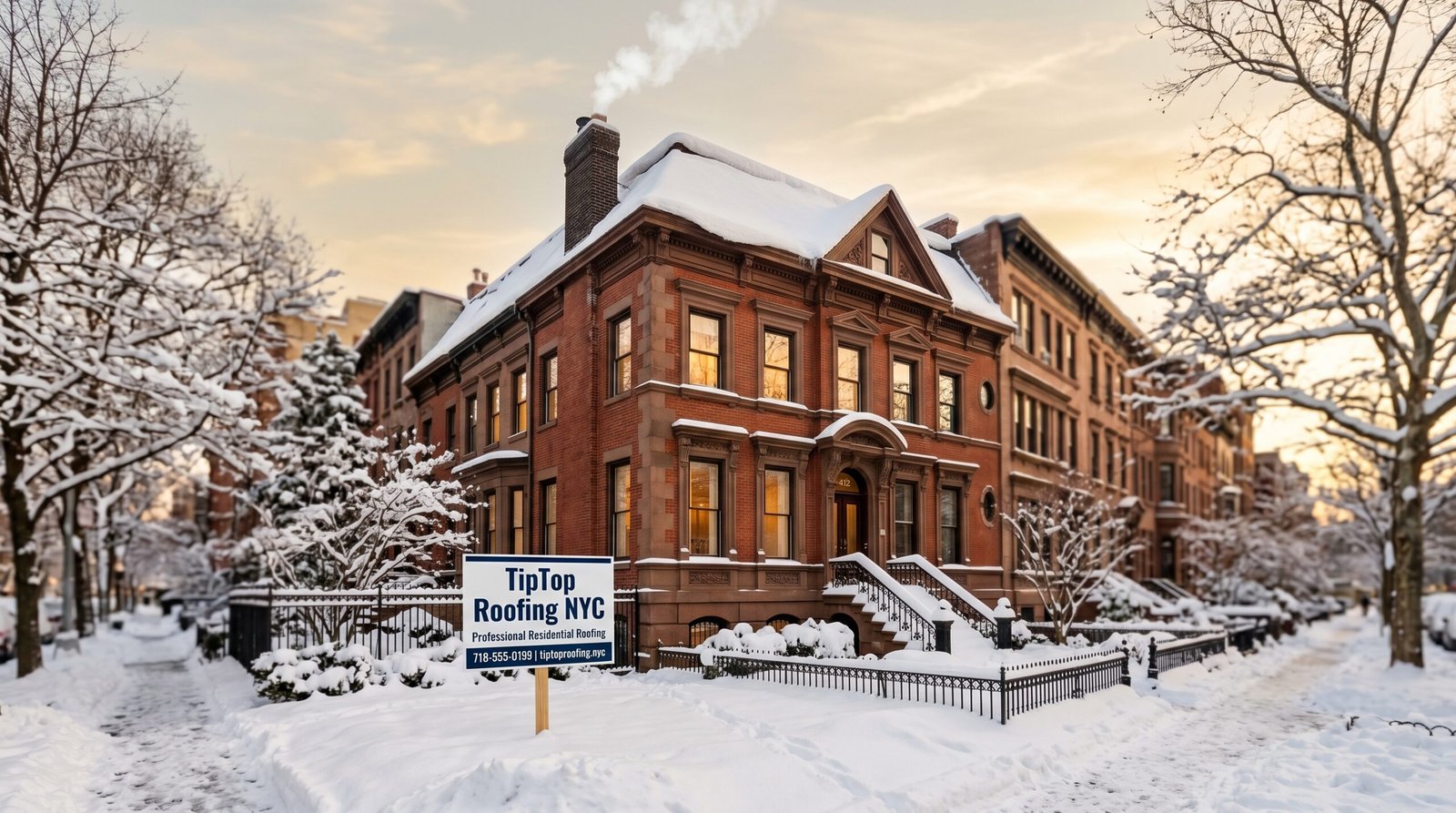
Proactive steps to prevent ice dams, leaks, and damage from heavy snow and freezing temperatures.
Read More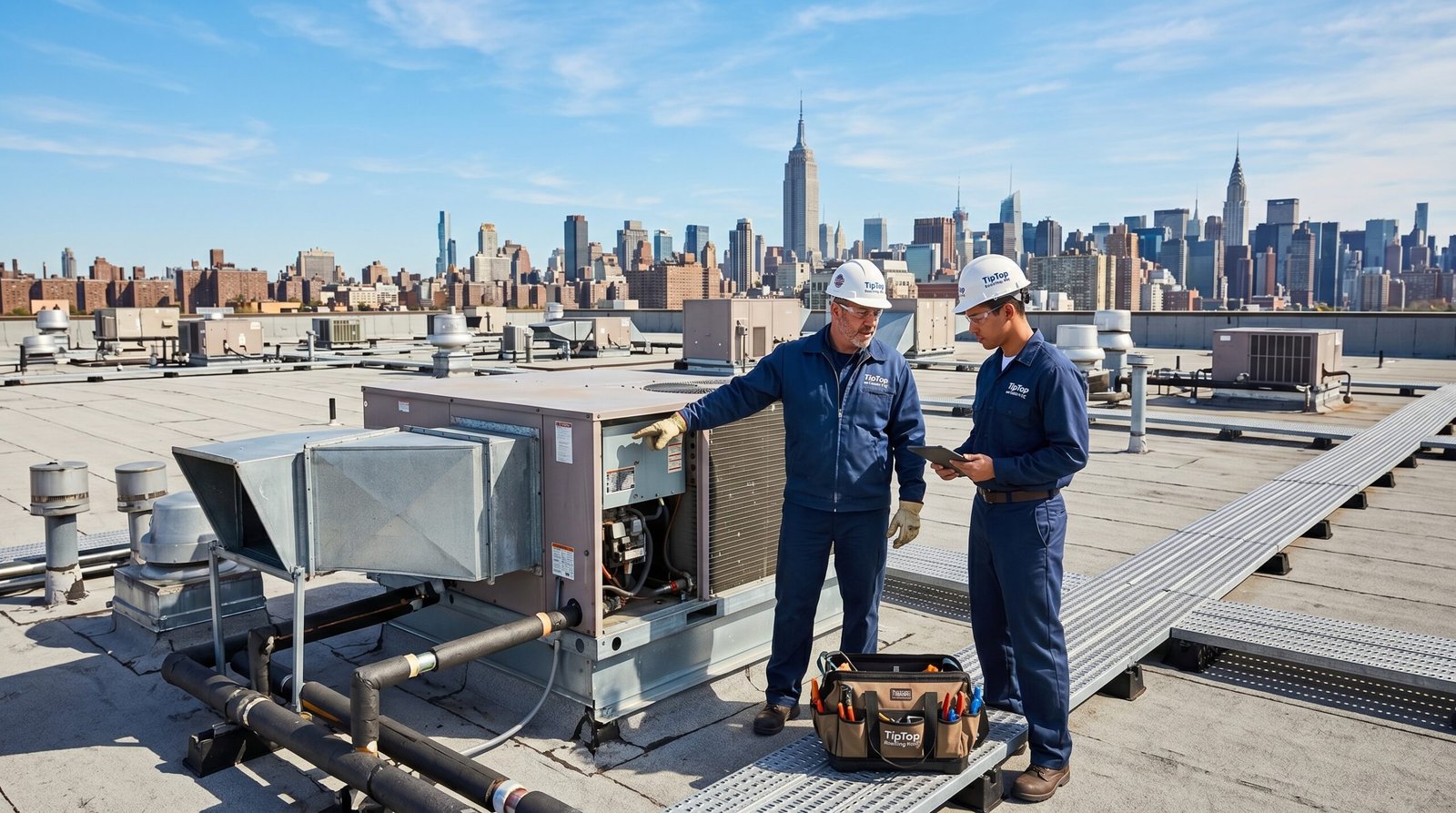
Choosing the Right Material for Your Flat Roof
A comparison of TPO, EPDM, and Modified Bitumen for New York City commercial properties.
Read More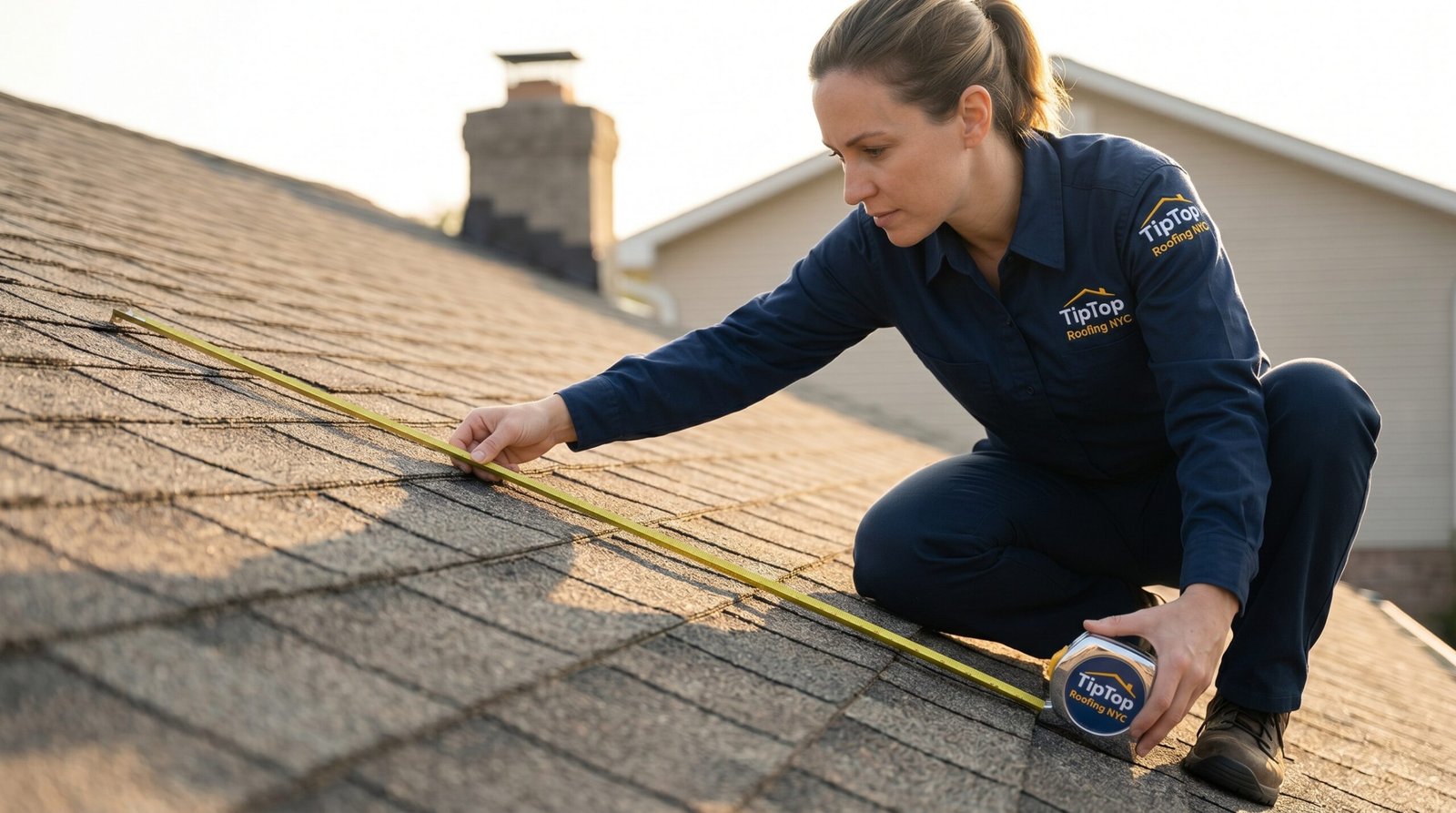
The 2024 Guide to Roof Replacement Costs in NYC
An in-depth look at the factors that influence the price of a new roof in the five boroughs.
Read MoreOur Services
Everything you need, all in one place.